
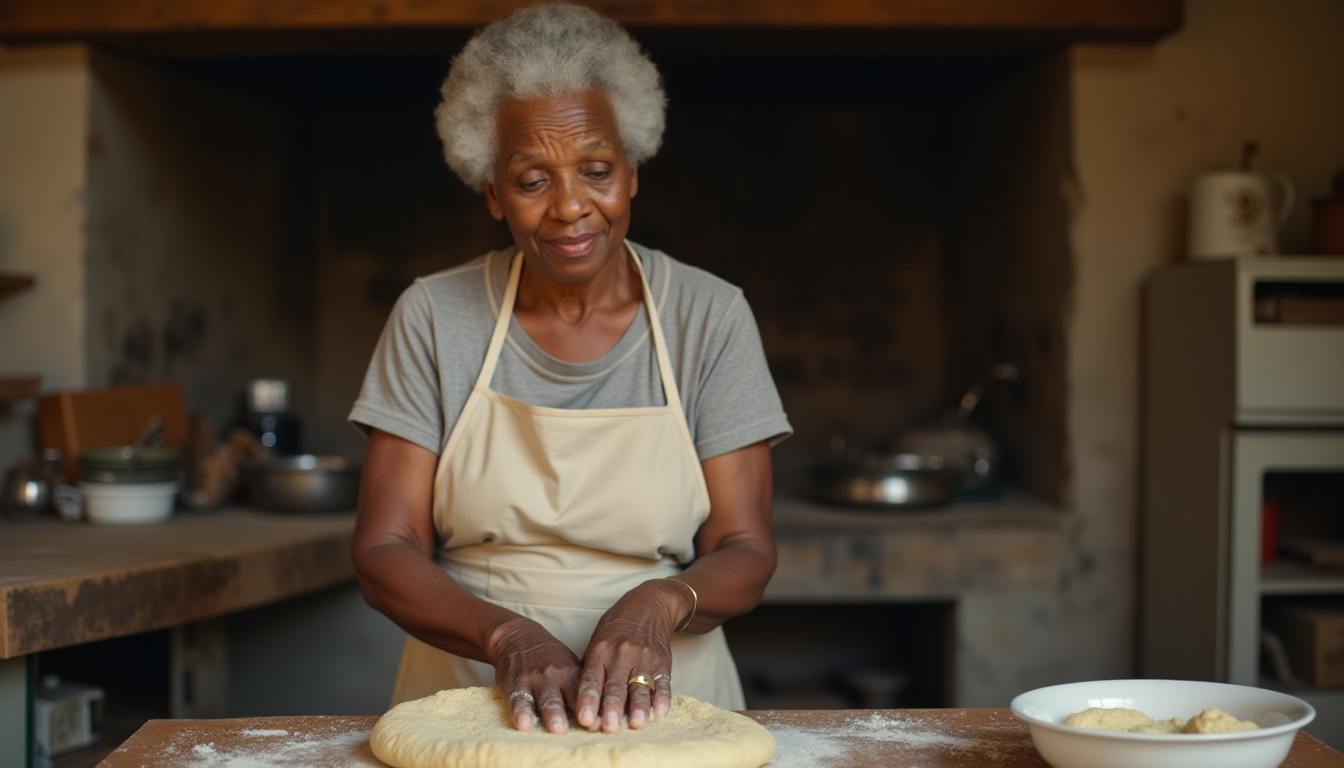
As a Black American growing up in the rural South, I often felt as though my life’s path was a walk through an enchanted forest. Not enchanted in the sense of magic and glitter, but in the way that an unfamiliar wood can appear beautiful on the outside—mysterious, filled with whispers—yet leaves you wandering, uncertain of your direction.
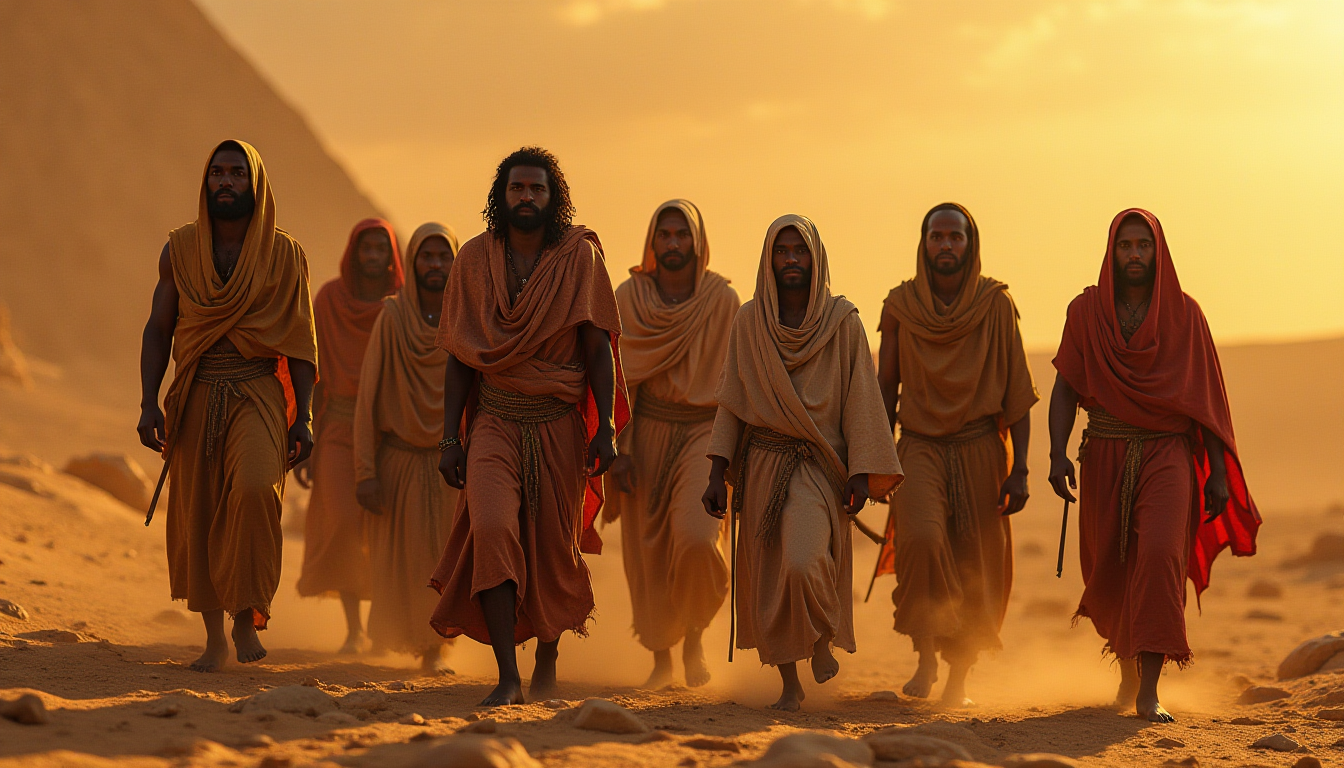
I use the word “enchanted” because when you have no memory of your lineage, when your roots feel severed by time, distance, and history, life can feel like a spell has been cast. A spell of disconnection—one that leaves you searching for a source you know exists but cannot touch. Without the knowledge of my ancestors, I often felt like I was walking through those trees alone, hoping that one day the silence would break, and the path would reveal itself.
In elementary school, this didn’t seem strange. Most of the kids around me carried the same weight of not knowing. We were all in the same boat, moving through life with nothing but the stories in front of us. Our histories started with our parents and grandparents, maybe an aunt or uncle if we were fortunate, and the rest was a blur.
But integration changed everything.
Suddenly, classmates began showing photographs of relatives whose faces stretched back generations. They shared stories with names, dates, and places that anchored them. A lineage with branches, roots, and soil. I remember feeling a sinking in my chest—a sadness that I couldn’t quite name. I had no idea who stood behind me beyond my mother and grandmother. I had no map. No compass. Just my imagination and the aching desire to belong to something older than myself.
I would hear whispers about family legacies—bold stories of grandfathers, great-grandmothers, and ancestral lands—and I secretly hoped one of those stories belonged to me. Sometimes I created my own stories, crafting imaginary relatives because I needed to feel connected to something larger. In the South, it is common for people to be called “cousin this” or “uncle that,” regardless of blood ties. It was comforting in a way, but it also deepened the longing: If everyone was family, why didn’t I know where my real family began?
That longing is the soil from which Your Days Your Legacy was born.
I never want anyone to live trapped in the same kind of enchanted forest I walked through—hearing whispers of heritage, hoping that one day a truth will find them. Legacy should never be left to rumors, unspoken stories, or fragmented memories. A family’s history should be a lantern that lights the path for every generation that follows.
Your Days Your Legacy exists to document your bloodline and preserve it with dignity, intention, and clarity. When we understand who came before us—what they endured, what they built, what they dreamed—we stand taller. We love deeper. We connect more intentionally. And our children no longer wander blindly through the woods of uncertainty.
No longer wonder. Position your future generations to be in the know.
We help you collect your family’s stories, organize your ancestry, and preserve your legacy so your children and future generations will never question where they come from.




1 thought on “The Enchanted Forest: A Journey Through Whispers and Wonders”
I connect with this chat. Thank you.